

India's indigenous knowledge.
✹
collective memories & illustrative manuscripts,
from India, to the world.
• लोकसूत्र • లోక్ సూత్ర్ • LOKSUTR •
New arrivals
Sketchbooks made out of the remnants of our publication process.


Accordian
Rs. 900.00
Accordian
Rs. 900.00
✹
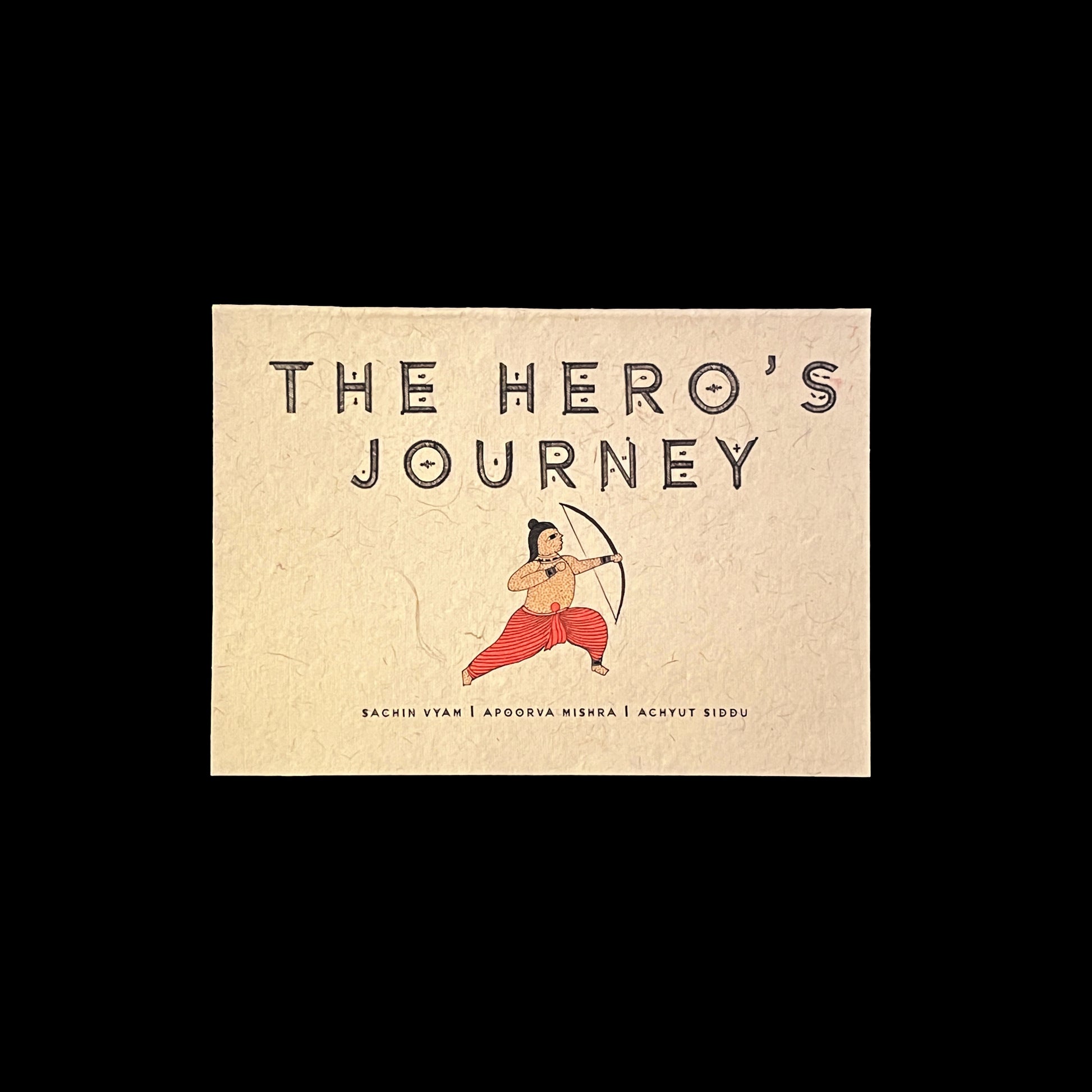
At Loksutr, we celebrate traditional knowledge by designing visual narratives out of collective memory.
Most loved products


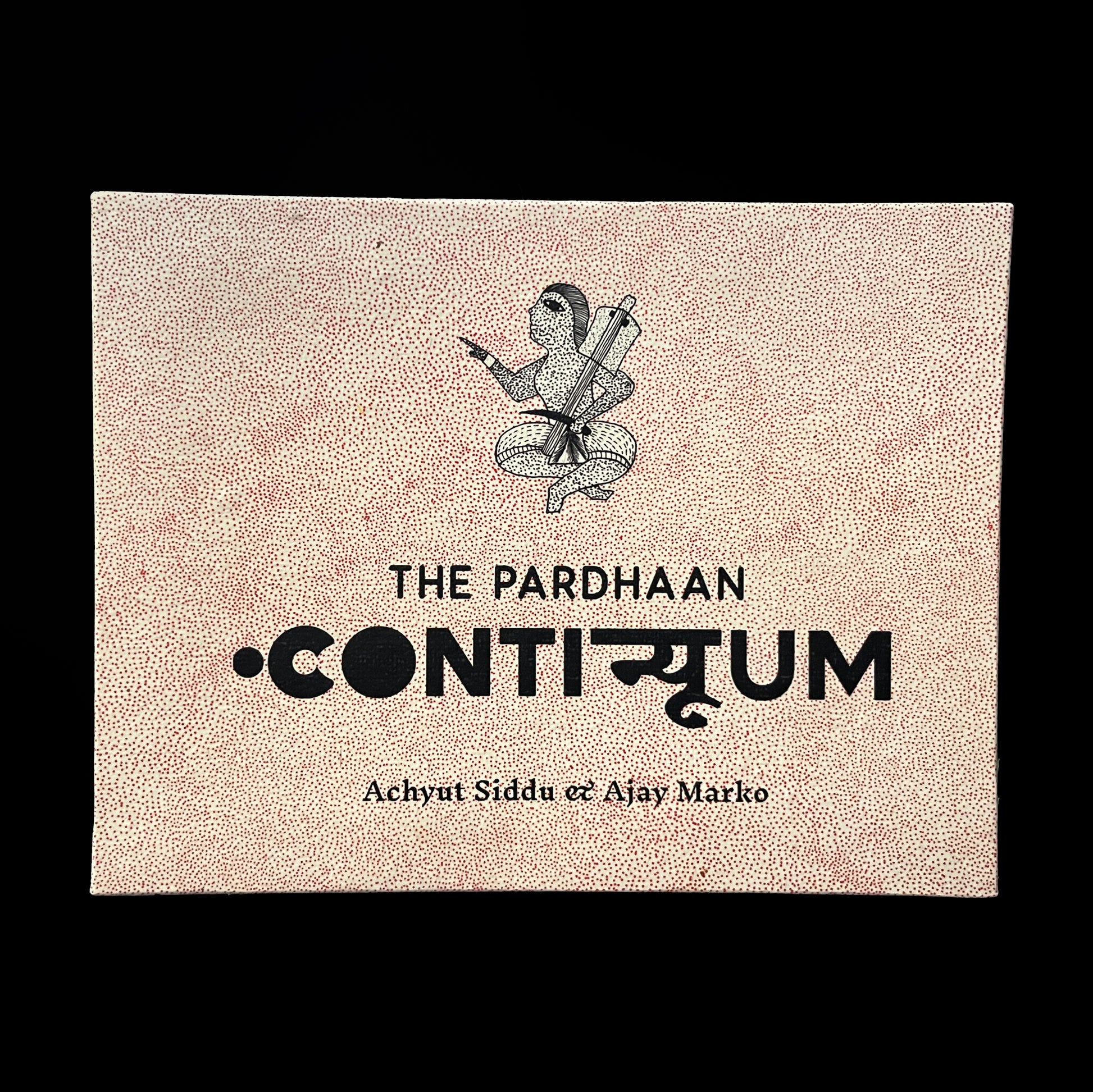
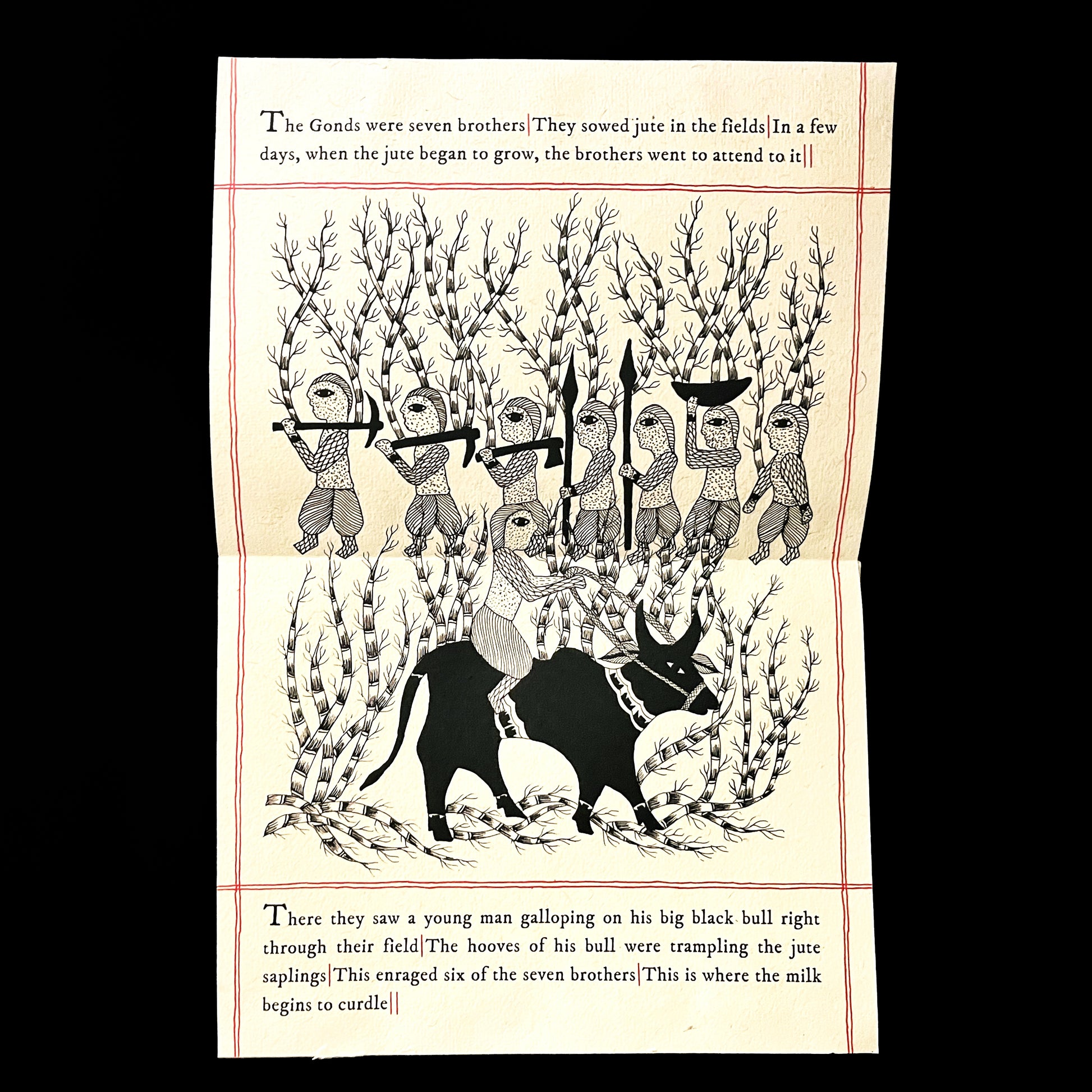
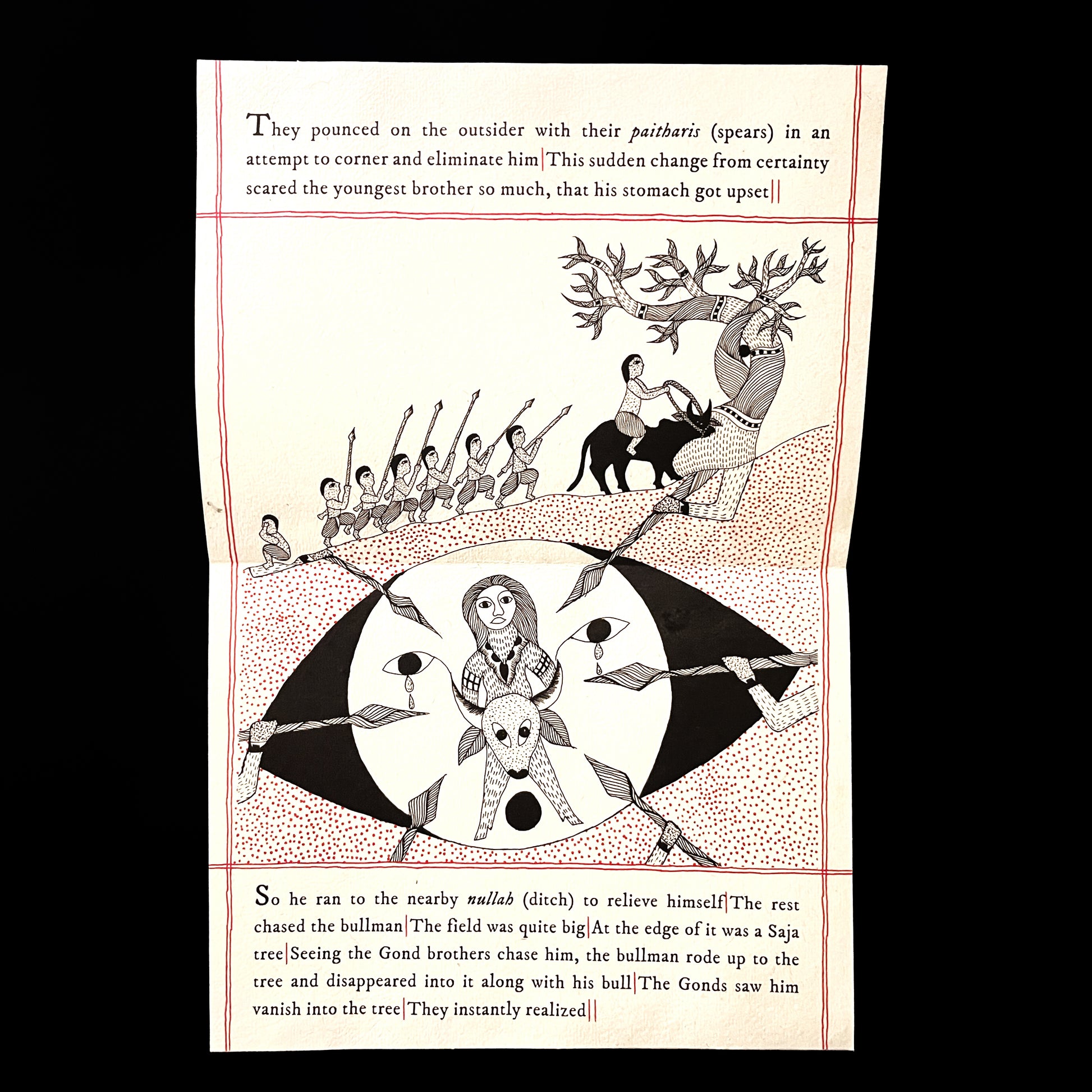
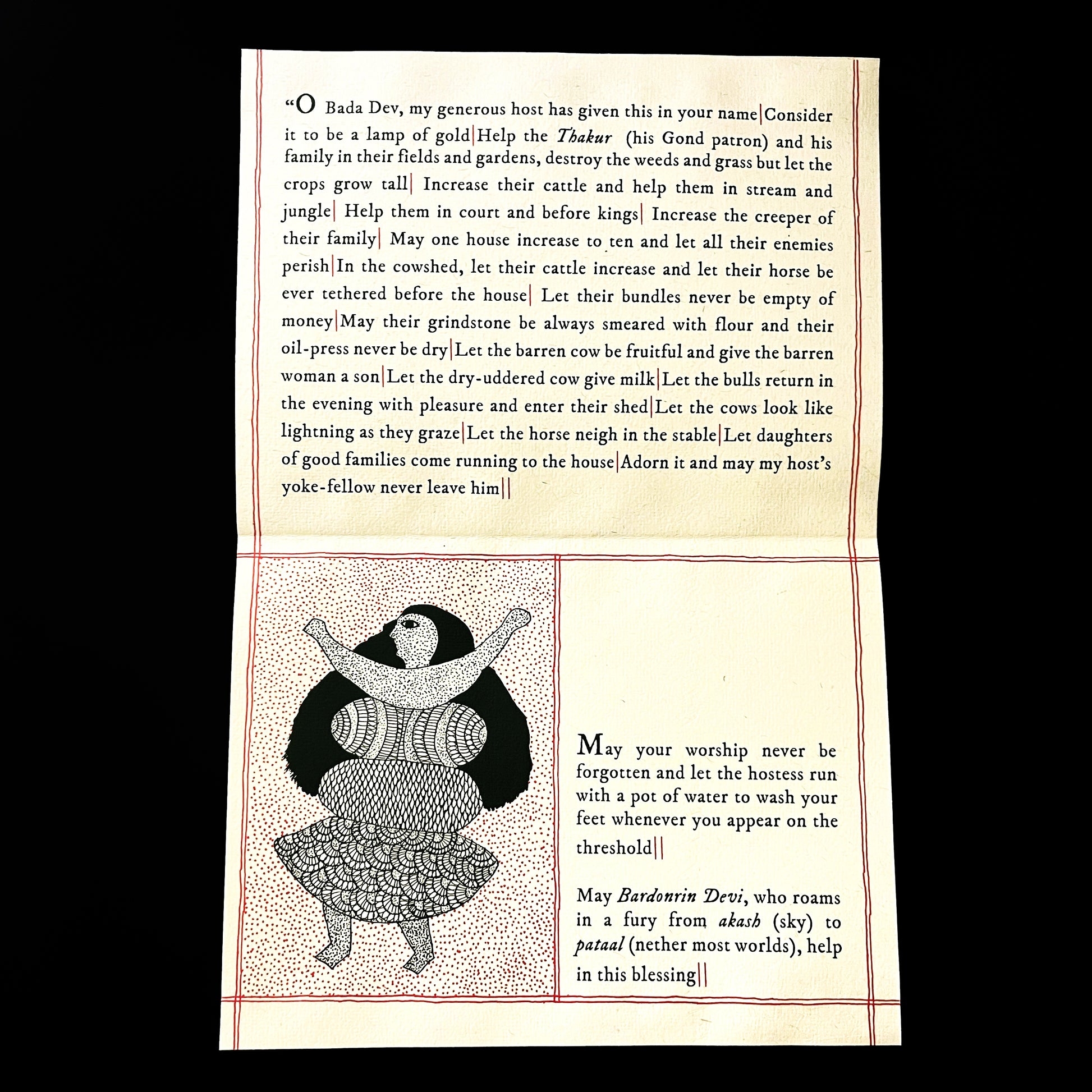
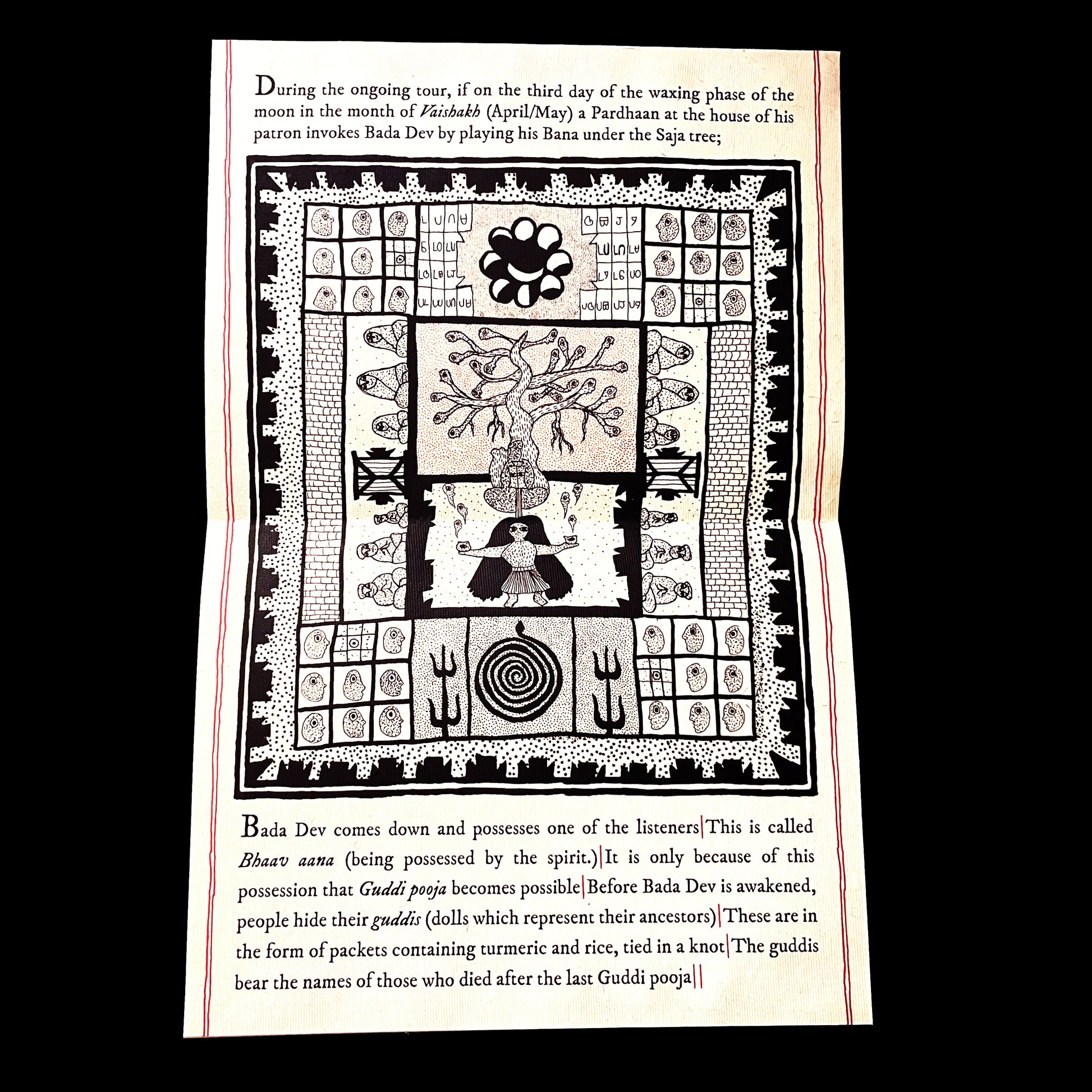
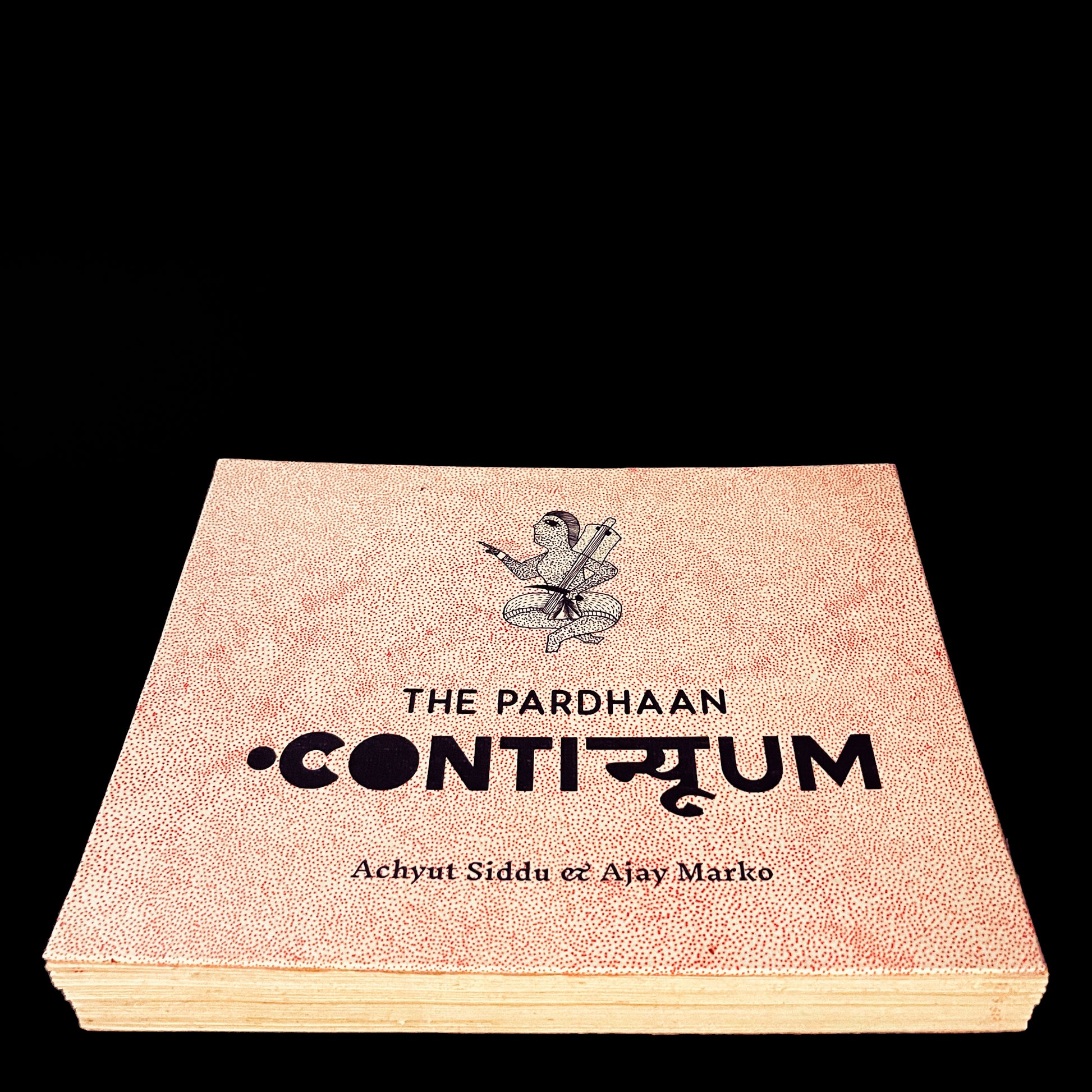
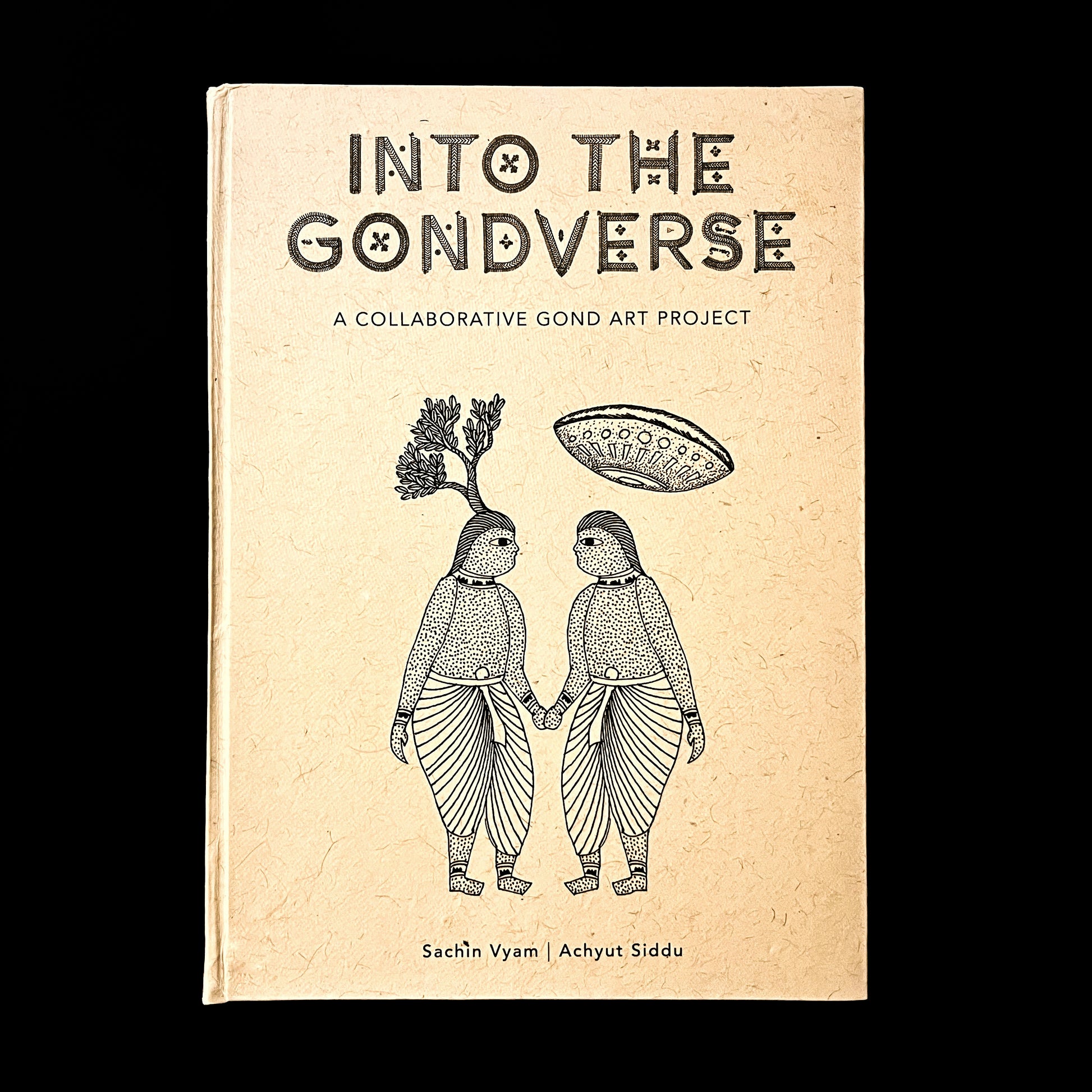
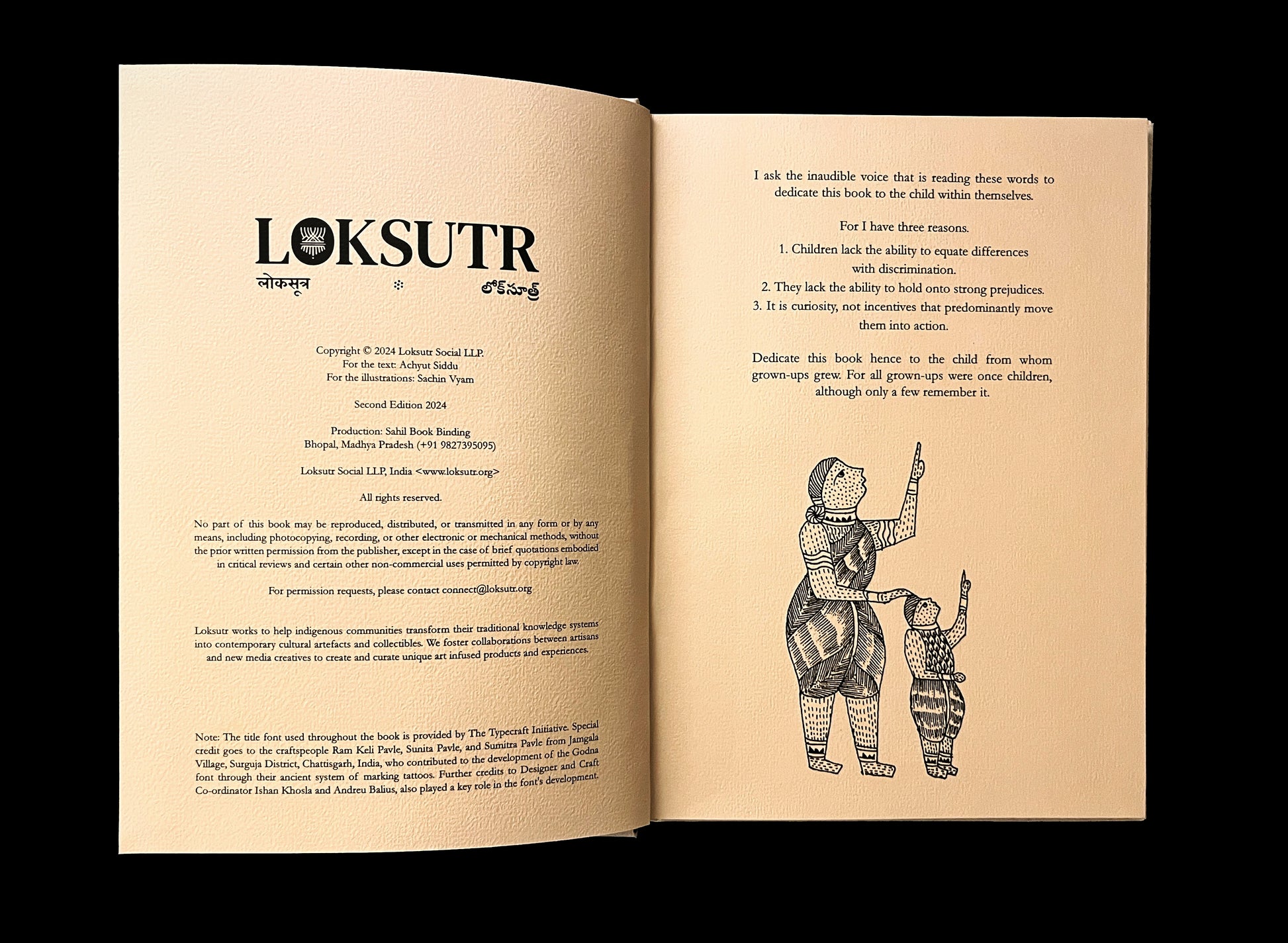
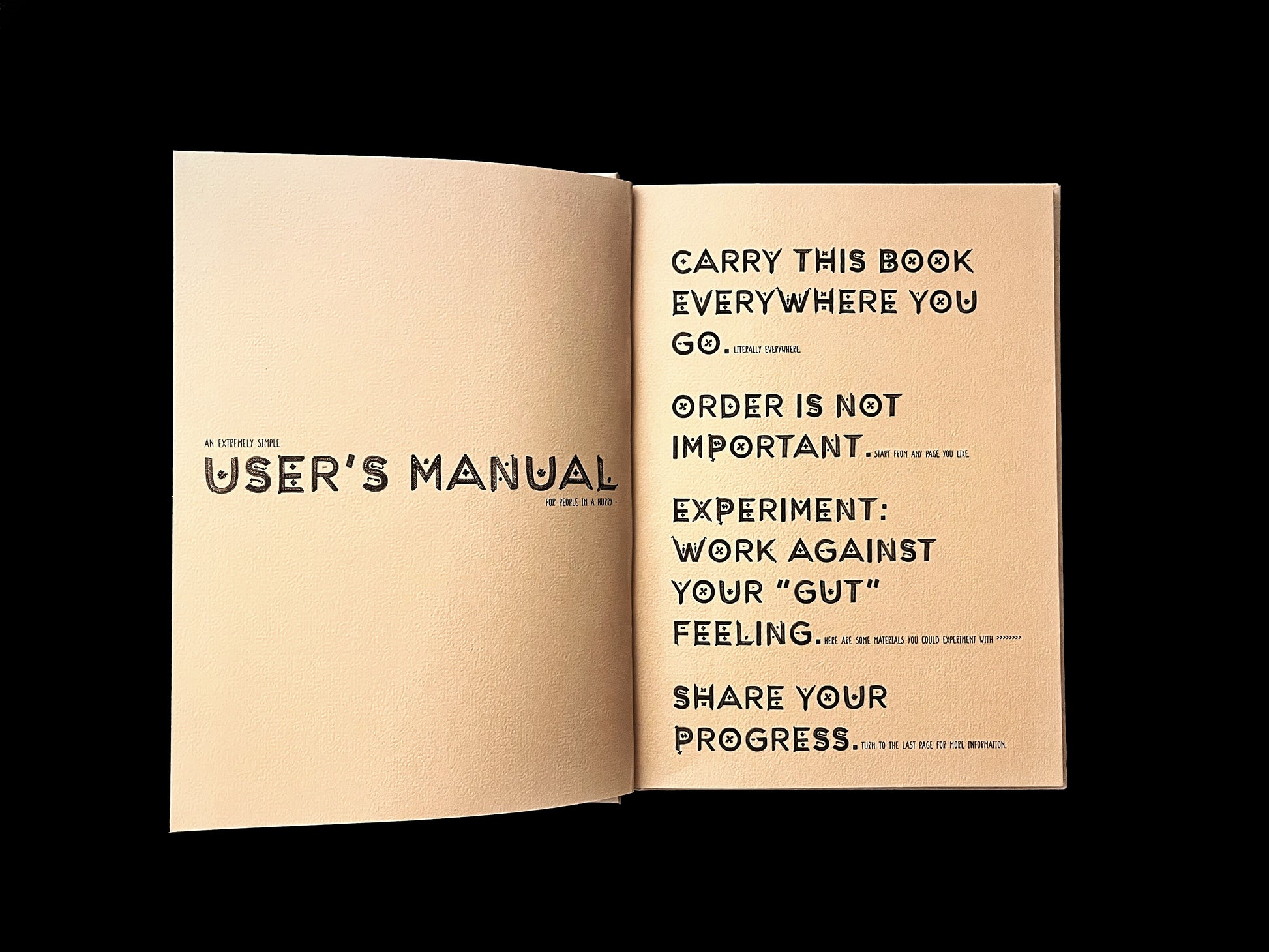
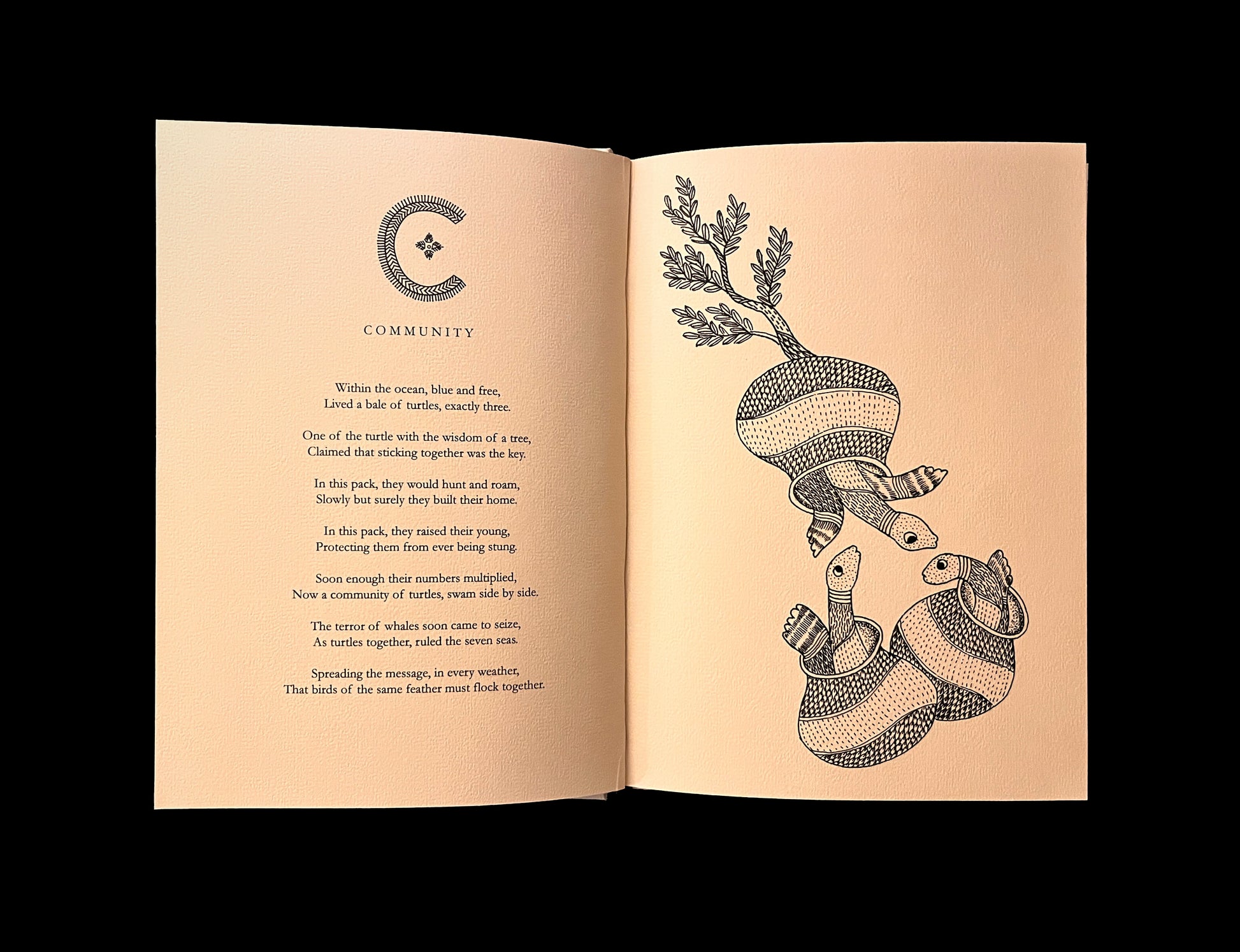
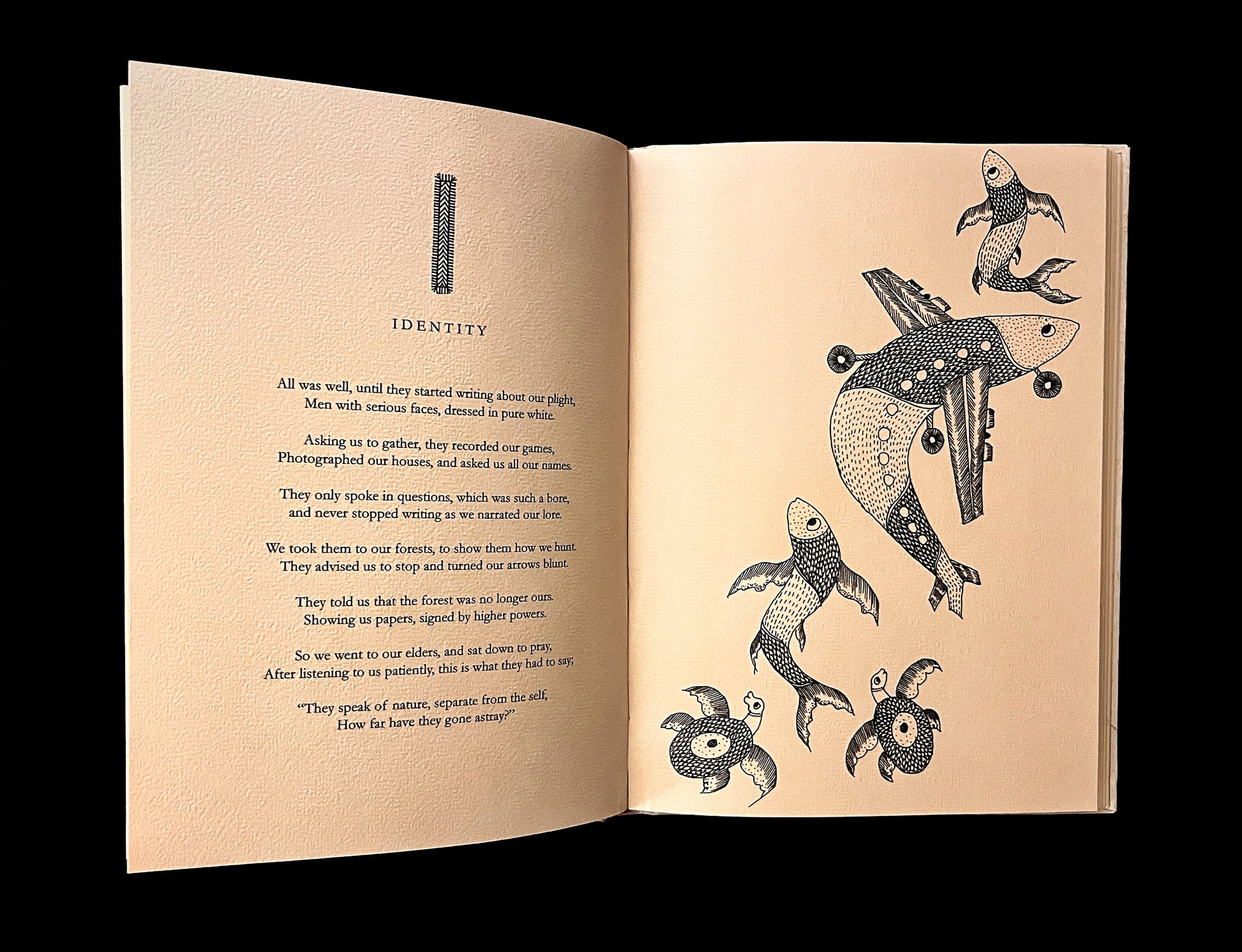
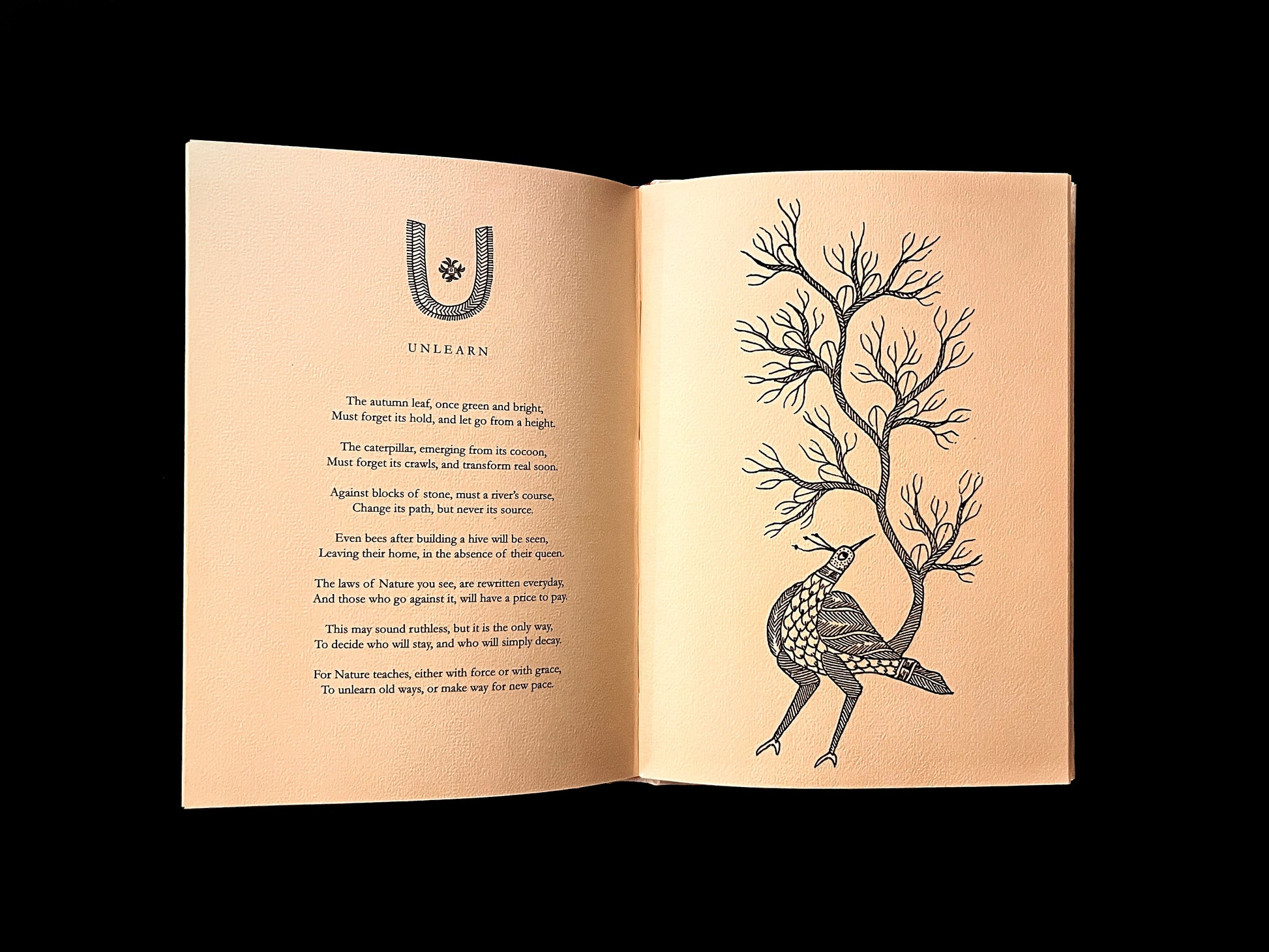
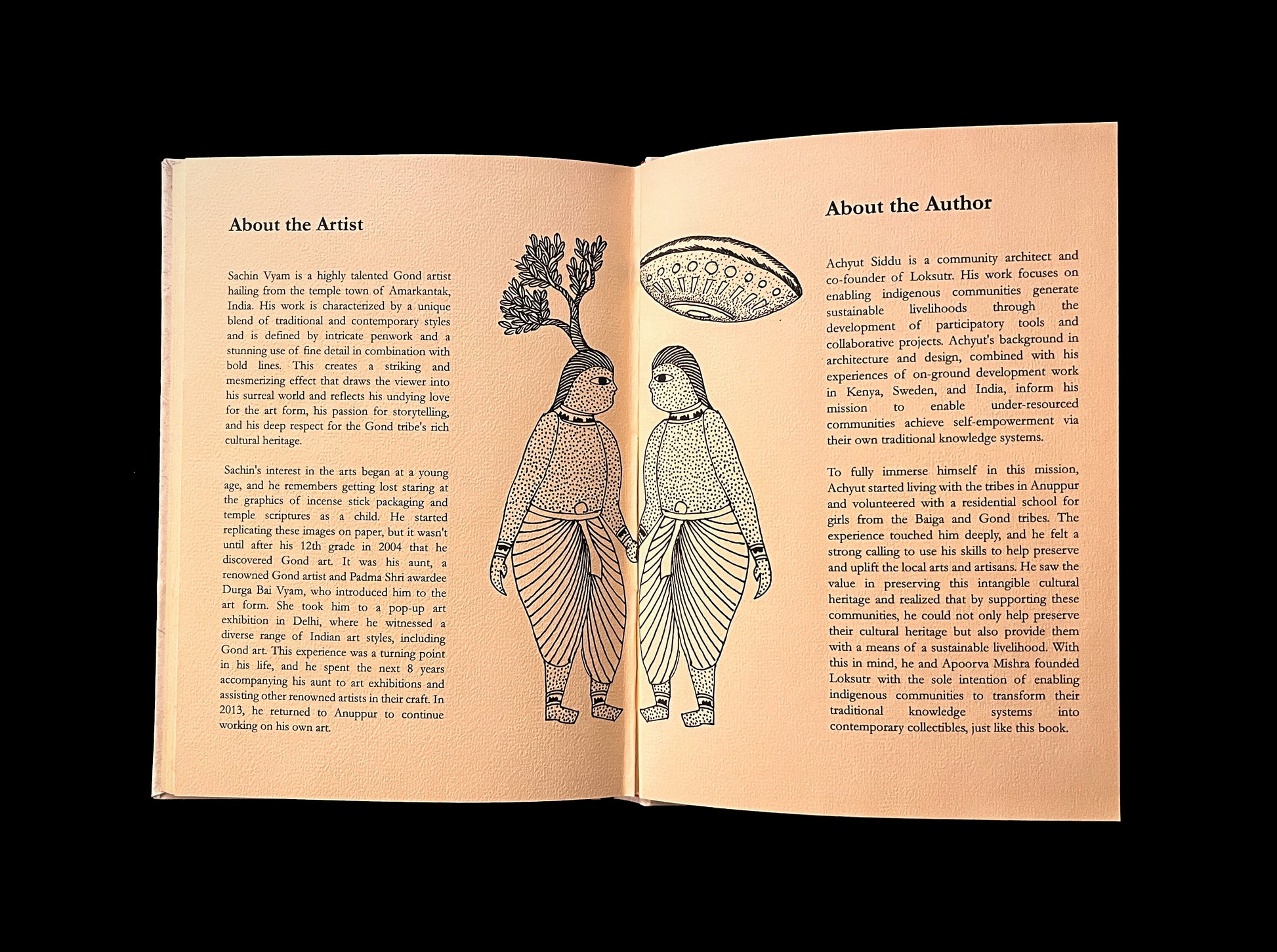
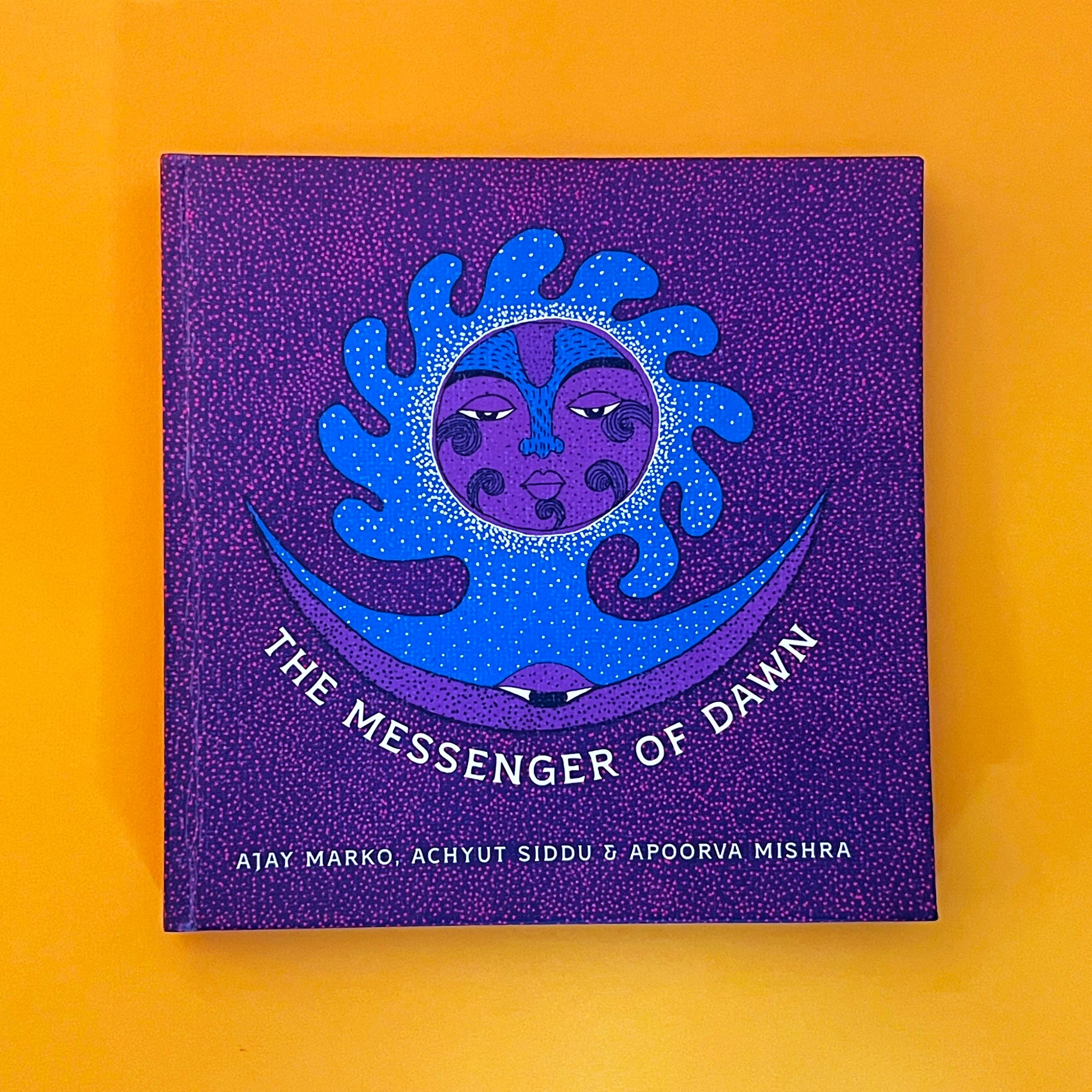
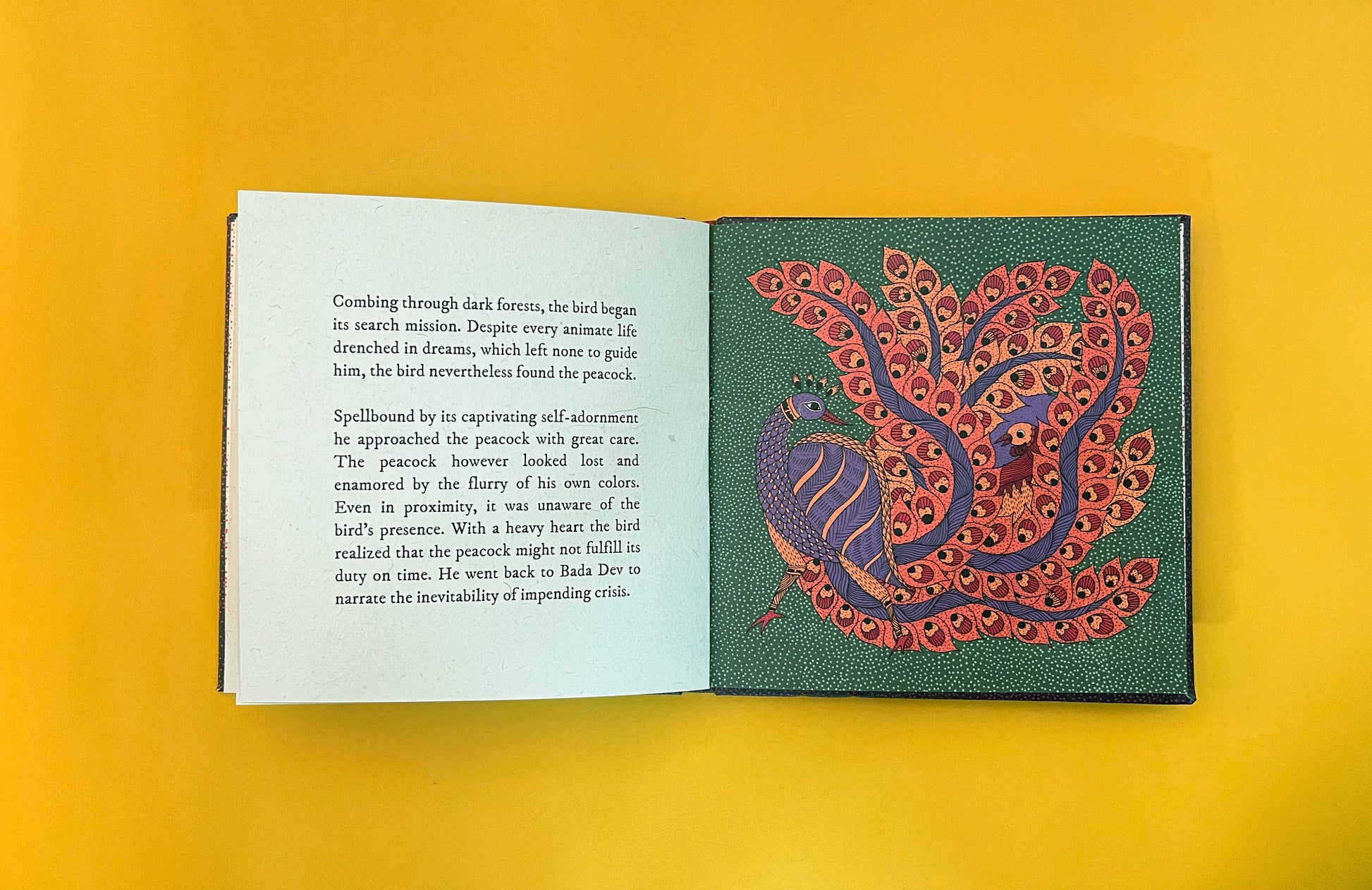
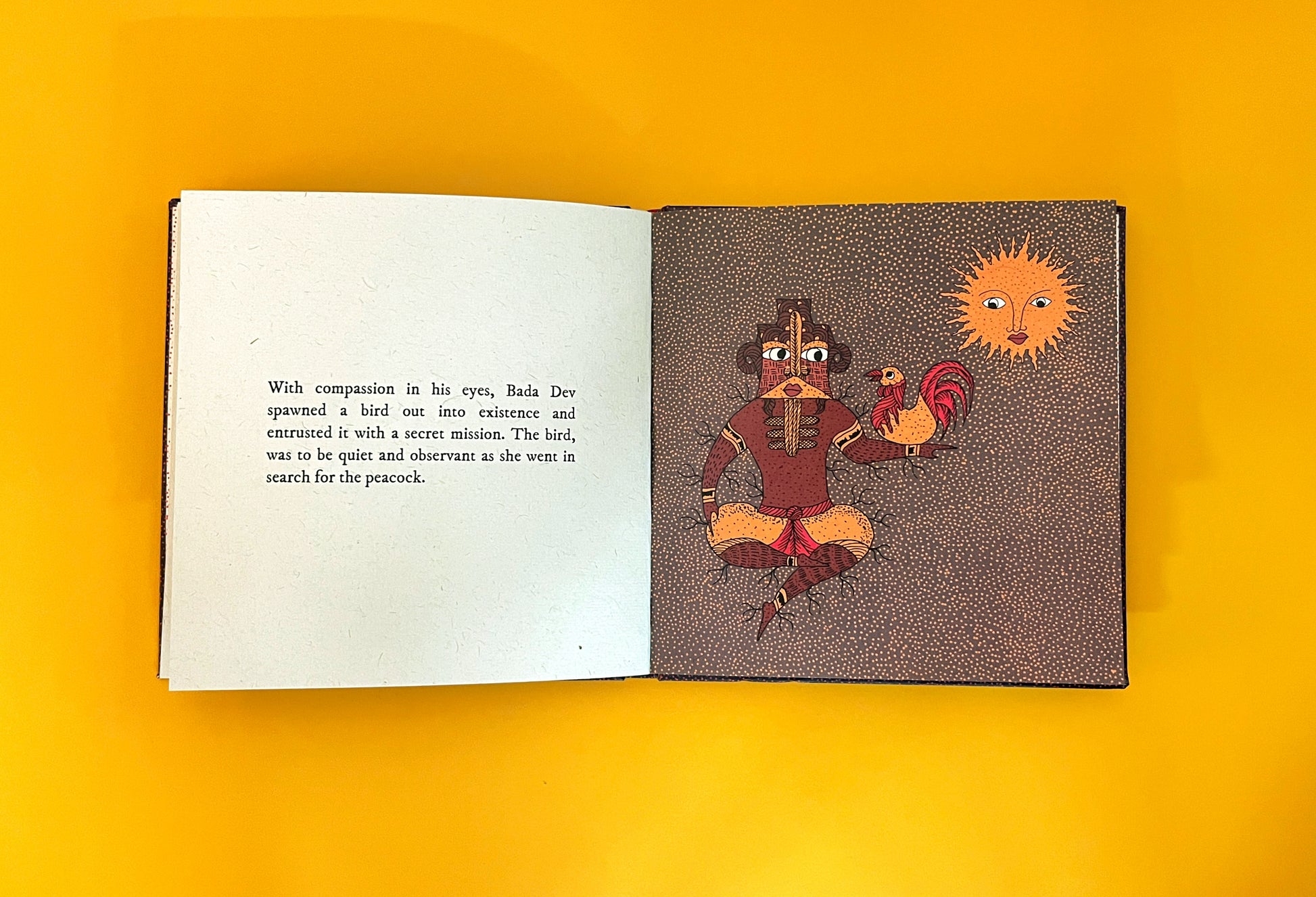
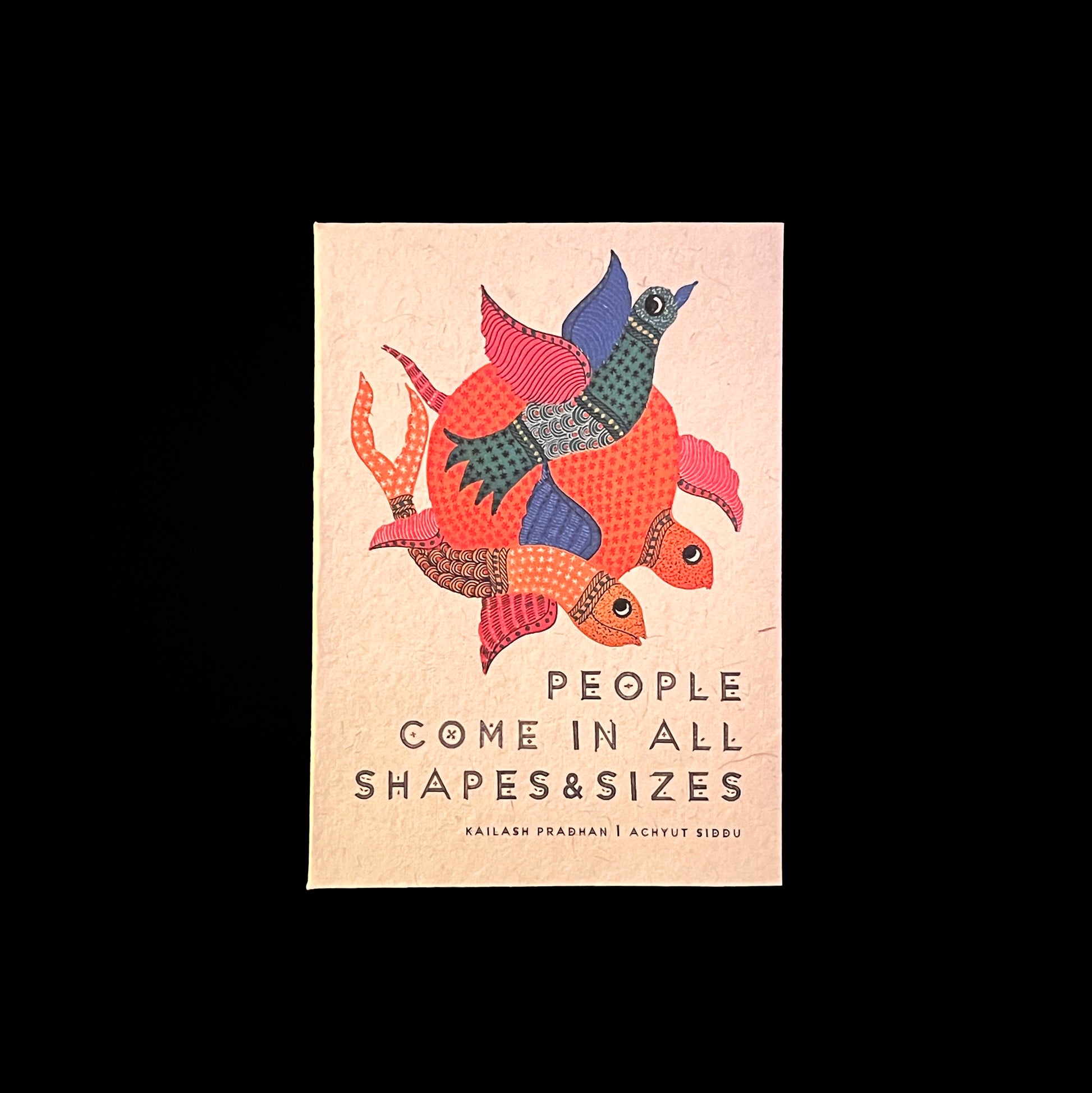
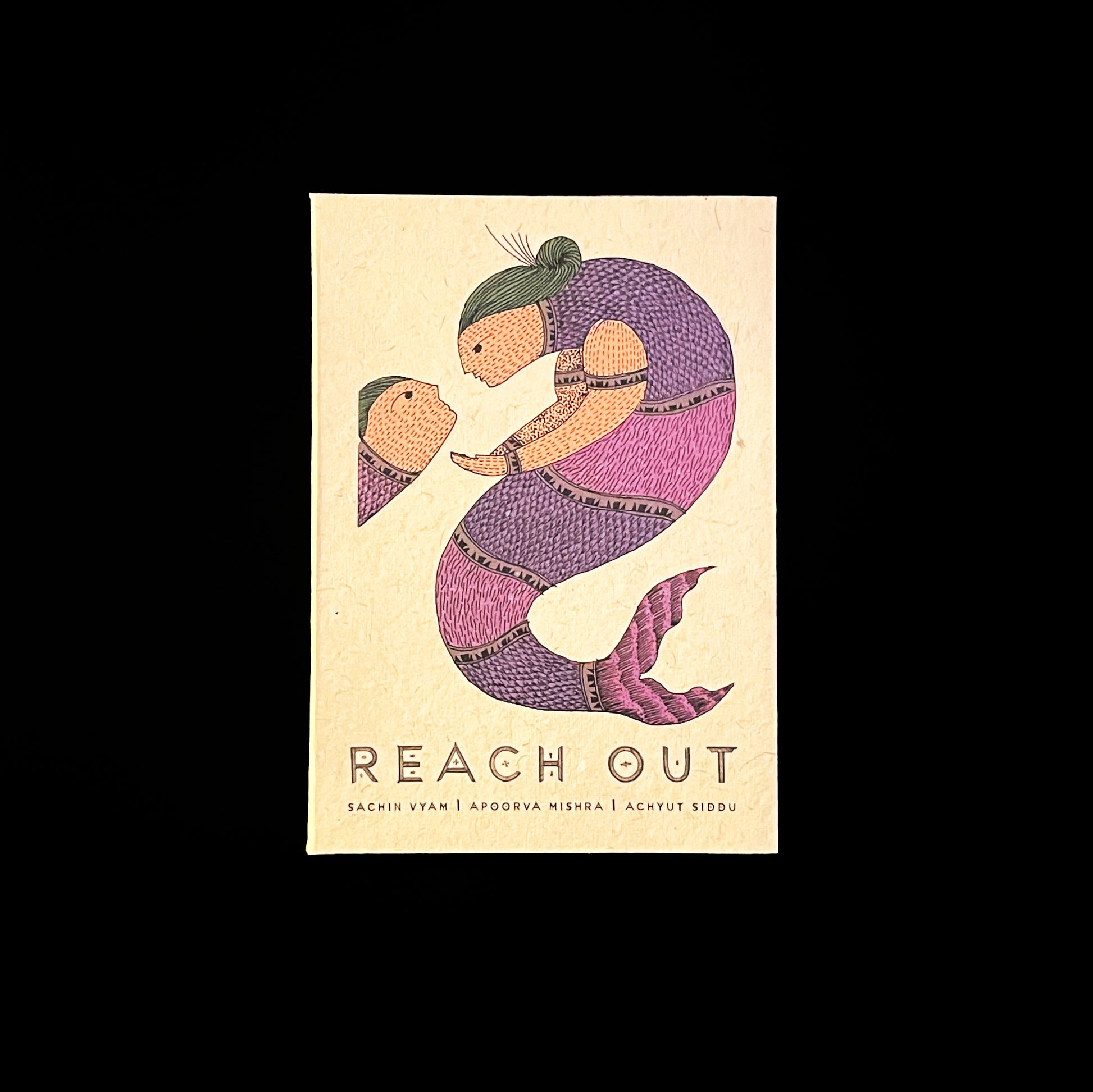
•••••••••••••••••••••••••••••••••••••••••••••••••••••••••••••••••••••••••••••••••••••••••••••••••••••••••••••••••••••
Our Product Playbook

STAGE 1
LISTEN
All knowledge begins as sound.
We travel to the source — to the knowledge keeper, the community, the living tradition. We record. We ask questions. We sit in the difficulty of not yet understanding. This stage cannot be rushed and cannot be skipped.

STAGE 2
TRANSCRIBE
Oral memory meets written form.
Narration becomes storyline. The logic of the oral tradition is preserved, not domesticated. We transcribe not only the words but the structure; the sequence, the repetition, the weight that certain moments carry in the telling.

STAGE 3
VISUALIZE
Words are translated into images.
The essence of every keyframe is distilled. What does this moment look like? What colour carries this feeling? What visual tradition holds this knowledge most faithfully? These are research questions, not design decisions.

STAGE 4
STORYBOARD
Paper meets its first strokes.
Characters are composed. A visual language emerges. The storyboard is the most iterative stage — the one where understanding deepens, where things are drawn and discarded.

STAGE 5
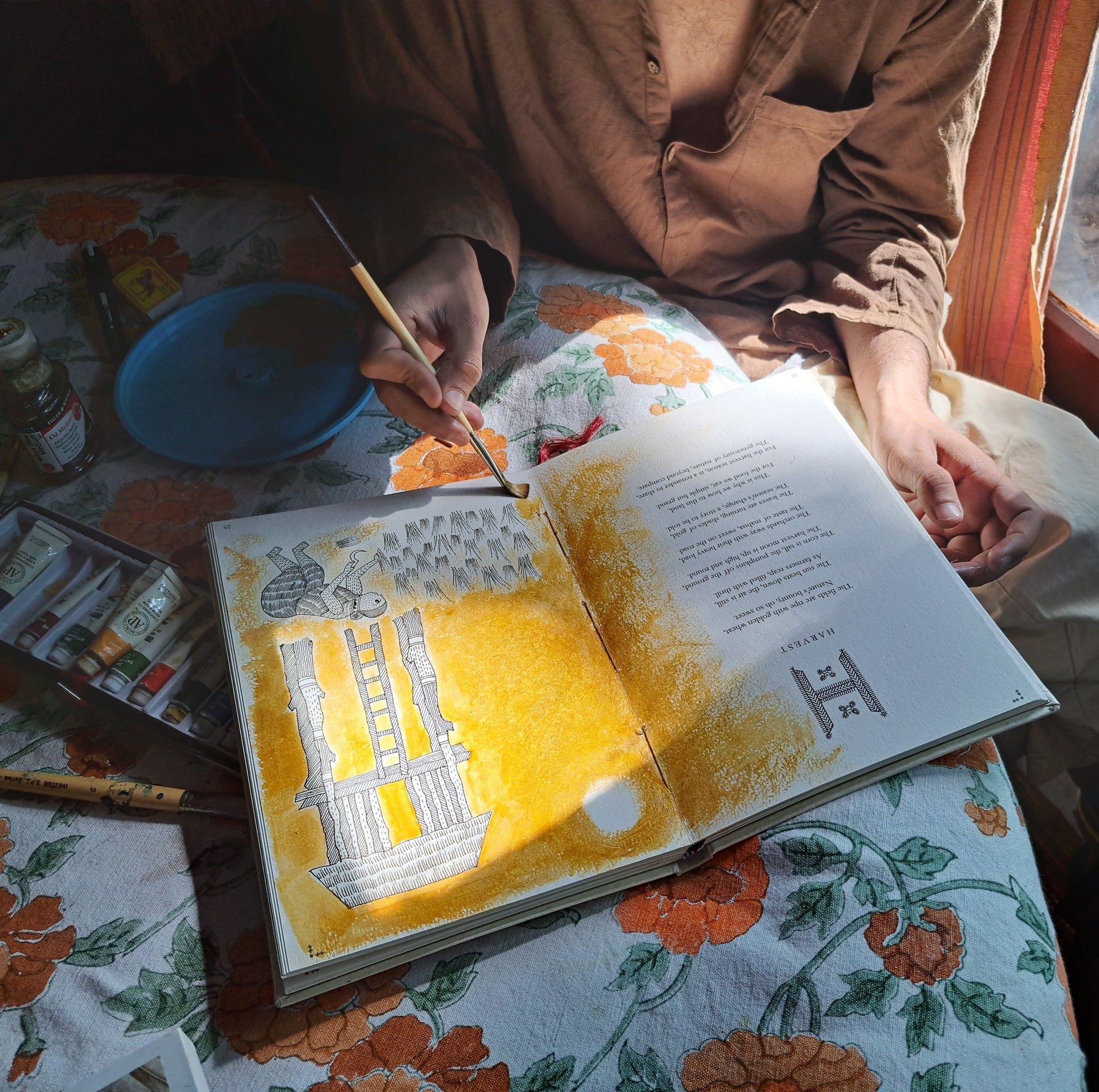
PAINT
Lines meet colour.
Out of the emotional essense of each keyframe, colours are chosen, their combinations decided, then painted. The painting process is not production — it is the final act of understanding.

STAGE 6
PACKAGE
The object comes into being.
The oral, the written, and the visual is brought together into a manuscript. The paper, the printing, the binding. The finished object is the condensed result of every preceeding stage.
• लोकसूत्र • లోక్ సూత్ర్ • LOKSUTR •

The Loksutradhaars
Achyut Siddu and Apoorva Mishra started Loksutr with a conviction that felt almost too simple to be the basis of a practice. Much of India’s indigenous knowledge lives in oral, performative, and otherwise ephemeral forms, or in specialist archives that render it inaccessible to wider public.